St Margarets rubbish pickup for narrow access homes
Posted on 02/09/2026
If you live in a St Margarets terrace, a converted flat, or one of those charming older homes with a painfully tight side passage, you will know the problem already: rubbish needs to go, but the access does not exactly make life easy. That is where St Margarets rubbish pickup for narrow access homes becomes more than a convenience. It is the difference between a quick, tidy removal and a stressful afternoon of dragging bags through a hallway that feels one size too small. In practice, the right approach saves time, protects your property, and keeps neighbours happy too.
This guide explains how narrow-access rubbish pickup works, what to expect, what to avoid, and how to choose a service that can handle awkward access without fuss. We will also look at safety, local best practice, and a few real-world details that often get overlooked until the bins are already overflowing. Let's face it, rubbish has a way of being more complicated than it should be.
Why St Margarets rubbish pickup for narrow access homes Matters
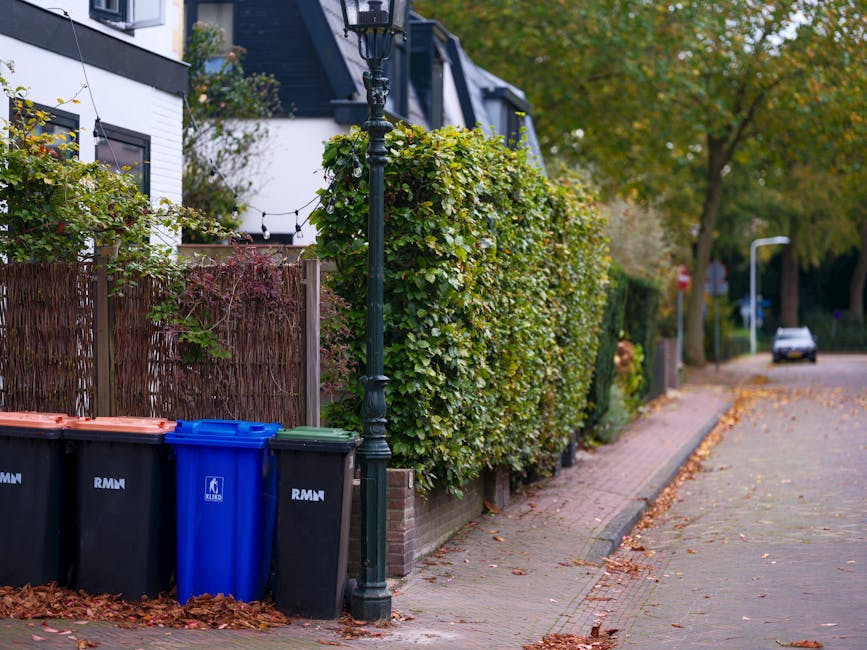
Narrow access changes everything. A normal house clearance or rubbish collection might rely on easy front-drive access, a wide path, or enough space to wheel a trolley straight to the vehicle. In St Margarets, many homes do not offer that luxury. Some have slim side returns, shared entrances, basement steps, tight front gates, or parking restrictions that make a standard collection awkward at best.
That matters because rubbish still needs to be removed safely, legally, and without damaging walls, floors, bannisters, or the peace and quiet of the street. Poor planning can lead to broken items in corridors, scratched paintwork, delayed collections, extra labour, or awkward conversations with neighbours. Not ideal.
It also matters for scheduling. When access is tight, the pickup team may need a bit more preparation, a clearer route, or a different vehicle setup. That does not mean the job becomes difficult every time. It simply means the service has to be planned properly from the start. And for homeowners, landlords, and tenants alike, that planning is what turns a messy job into a straightforward one.
There is a local angle too. St Margarets sits in a part of London where property layout can be a little old-school: lovely character, but not always practical for bulky waste. If you are in the middle of a move, a renovation, or a long-overdue clear-out, a narrow-access specialist approach is often the sensible choice rather than trying to force a one-size-fits-all collection.
How St Margarets rubbish pickup for narrow access homes Works
The process is usually simpler than people expect. Good rubbish pickup for awkward access homes starts with understanding the layout before anyone lifts a heavy box. In many cases, the provider will ask about the property type, the width of access points, parking availability, stairs, and whether items need to be carried through the house or out via a rear route.
From there, the team decides on the most practical removal method. That might mean smaller loads, more careful manual carrying, two-person handling for heavy furniture, or a vehicle positioned as close as possible to the property. Sometimes the collection is done from the kerb after items are moved out in stages. Other times, the team works fully inside the property and carries everything through a tight path one item at a time.
In our experience, the best jobs are the ones where everyone knows the access limitations before the team arrives. A quick message saying, "There is a narrow hallway and a steep step at the back," saves far more time than it sounds like it should.
For people comparing options, it can help to think of this as a tailored removal rather than a grab-and-go service. If you want a broader sense of the wider support available, the services overview is a useful place to understand how different rubbish and clearance jobs fit together. For everyday domestic loads, many households also look at rubbish collection in Twickenham or waste removal in Twickenham when they need a more flexible collection approach.
What usually happens on the day
- The team confirms access details, parking, and the type of waste.
- They assess the best route in and out of the property.
- Items are lifted, bagged, or dismantled where needed.
- Waste is loaded carefully to avoid damage and avoid blocking access.
- The area is tidied, and the collection is completed.
The little detail that often gets missed? The route back out matters just as much as the route in. A staircase might be manageable on the way up with empty hands, but not with a bulky wardrobe section. That is why early assessment is so valuable.
Key Benefits and Practical Advantages
The obvious benefit is convenience, but there is more to it than that. Narrow-access rubbish pickup helps maintain control over a job that can otherwise spiral into a half-day of frustration. It also reduces the risk of accidental damage. In a home with tight corners and older plaster, one clumsy turn with a table leg can leave a mark you will notice every time you walk past. Annoying, to say the least.
Another real advantage is flexibility. A narrow-access service can usually adapt to the property rather than expecting the property to adapt to the service. That is especially useful for period homes, basement conversions, maisonettes, small mews-style properties, and properties with shared entrances.
There is also a practical financial benefit. When a job is organised properly, you are less likely to pay for wasted time, failed access, or repeat visits. That does not mean it will always be the cheapest option on paper, but it can be the better value once you account for stress, disruption, and the risk of things going wrong.
For people doing larger domestic clear-outs, it can be useful to compare narrower-access pickup with related services such as house clearance in Twickenham or, for more project-heavy jobs, builders waste disposal in Twickenham. The right fit depends on whether you are getting rid of a few bulky items, a full room of waste, or ongoing renovation debris.
- Less strain: fewer trips dragging bags through tight passages.
- Lower damage risk: careful handling around walls, skirting boards, and stair rails.
- Better timing: a planned route means the work tends to finish faster.
- Cleaner presentation: ideal when you need the home ready for guests, tenants, or contractors.
- Less neighbour disruption: useful where access is shared or street space is limited.
Key takeaway: for narrow-access homes, the best rubbish pickup is not the fastest in theory; it is the one that is planned well enough to be fast in reality.
Who This Is For and When It Makes Sense
This service is a strong fit for anyone living or working in a property where standard waste collection would be awkward, risky, or simply slow. That includes homeowners with slim side access, tenants in converted buildings, landlords clearing between lets, and office managers in older properties that were never designed for modern disposal logistics.
It also makes sense if you are dealing with:
- bulky furniture that will not fit neatly through a doorway
- bags of mixed household rubbish after a clear-out
- garden waste piling up in a tucked-away rear yard
- renovation debris from small building or decorating projects
- loft, cellar, or storage-room contents that need careful carrying
People often assume they only need this kind of service for huge clearances, but that is not true. A single heavy item can be the problem. A sofa that is too wide for the hallway, a broken appliance down a narrow stairwell, or a stack of boxes in a first-floor flat can be enough to justify a specialist pickup. Why make a simple job harder than it needs to be?
If your property is part of a larger move or renovation, the timing matters too. It may be worth pairing the removal with other planning, especially if you are preparing a sale or rental handover. For readers thinking more broadly about the local property context, the Twickenham real estate guide and strategic buying tips for Twickenham property can help frame how property layout and maintenance decisions affect day-to-day logistics.
Step-by-Step Guidance
A smooth pickup from a narrow-access home depends on a few sensible steps. Nothing fancy. Just good preparation and honest information.
1. Describe the access accurately
Measure the doorway, side passage, stair width, or gate if you can. If not, at least give a clear description. Is the path narrow but straight, or narrow and turning? Is there a low wall, a steep step, or a shared alley? These details matter more than people realise.
2. Separate what stays and what goes
Before the team arrives, sort the waste into simple groups: bulky items, bagged rubbish, recyclables, and anything that needs special handling. If you mix everything together, you create unnecessary delay. And nobody loves delay when there is a hallway full of old furniture watching you.
3. Clear the route
Move shoes, plant pots, bikes, recycling boxes, and anything else that could block a passage. Even ten centimetres of extra space can make a meaningful difference in a tight Victorian corridor or a cramped rear access path.
4. Flag fragile areas
Point out low ceilings, sharp corners, delicate walls, or freshly painted surfaces. A short warning at the beginning can prevent damage later. This is especially useful after decorating or in homes with original features.
5. Ask about dismantling
Sometimes the easiest way to move a bulky item is to take it apart first. Wardrobes, bed frames, desks, and shelving often go much more smoothly once broken down into manageable sections. Not every item can or should be dismantled, but it is worth asking.
6. Confirm parking and loading space
In St Margarets, parking can be the quiet complication behind many waste removals. If a vehicle cannot stop nearby, the job may take longer or need a different approach. Honest parking information avoids last-minute scrambling.
7. Check the finish
After the pickup, walk the route back through the property and check for missed items, packaging scraps, or scuffs. It is much easier to spot a problem while the team is still there. Simple, but effective.
Expert Tips for Better Results
The best narrow-access pickups are usually won before the van arrives. That sounds obvious, but it really is true.
Use smaller bags rather than overfilling big ones. In tight spaces, smaller loads are easier to carry and less likely to split. Overstuffed bags are a bad idea anyway; they are awkward, heavy, and never look as tidy as they should.
Keep one clear access lane. If the property is full of furniture or storage boxes, create a single route from the waste area to the exit. That way the crew can move efficiently without weaving around obstacles.
Be realistic about heavy items. A washing machine, cast-iron radiator, or old chest of drawers can need two-person handling. Do not assume one person can simply "nudge it through." Human optimism is lovely, but it is not a lifting plan.
Ask how the provider handles awkward corners. Good teams will already have a method. They may tilt items, rotate them vertically, or remove doors if needed. The point is not brute force; it is control.
Choose timing with the street in mind. Early morning may be calmer for access, but not ideal if you are still sorting. Midday can be easier if you need daylight for a rear route. A little thought here can prevent a lot of cursing later.
If you want to reduce waste at the source, reusable packing and smarter sorting can help too. The article on reusing packaging materials is a sensible companion read, and it fits well with the practical habit of keeping more usable items out of the rubbish stream. For households that care about disposal choices, recycling and sustainability is also worth a look.

Common Mistakes to Avoid
A lot of narrow-access problems are avoidable. The issue is usually not the rubbish itself. It is the assumptions around it.
- Assuming the crew will "just manage." Maybe they will, but maybe they will need more time or a different method. Be specific.
- Leaving the access route full of clutter. That includes hallway furniture, bikes, planters, and those random bags that seem to multiply in corners.
- Not mentioning stairs or turns. A single hidden turn can change the whole logistics plan.
- Forgetting about parking restrictions. Very common. Also very annoying.
- Mixing recyclable and general waste without a second thought. It can complicate sorting and increase cost.
- Trying to move heavy items alone. This is where back injuries and wall dents begin.
One small but frequent issue is poor timing. If you arrange a pickup while builders, decorators, or movers are still coming and going, the access route becomes a traffic jam. Better to separate the jobs where possible. Or at least agree on the order. Chaos loves an unplanned hallway.
Tools, Resources and Recommendations
You do not need a warehouse of equipment to prepare a narrow-access rubbish pickup. A few simple tools go a long way.
- Strong bin bags: useful for lighter rubbish and mixed household waste.
- Work gloves: helpful for handling awkward edges and dusty items.
- Measuring tape: a quick check of a doorway or path can save a failed collection.
- Label stickers or tape: useful when some items stay and others go.
- Furniture sliders or blankets: can help protect floors during careful movement.
- Phone torch: surprisingly handy for dim rear alleys, basements, or lofts.
In terms of services, it helps to compare what you actually need. If your job is a small domestic load, a standard collection may be enough. If it is a full property clear-out, the better fit may be a broader house clearance service. If the waste comes from a home office or a working space, office clearance in Twickenham may be more relevant. For gardens tucked behind narrow access paths, garden waste removal can be a neater solution than trying to handle it all as general rubbish.
And if your schedule is tight, especially after a last-minute clean-up, articles like quick rubbish removal near Twickenham Stadium can help set expectations about speed and turnaround in busy local areas. Different location, same principle: access and timing matter.
Law, Compliance, Standards, or Best Practice
Rubbish pickup is not just about shifting items out of sight. It also needs to be handled responsibly. In the UK, waste should be transferred to authorised carriers and managed in a way that follows accepted disposal and recycling practice. You do not need to become an expert in the paperwork, but you should expect a professional service to handle waste appropriately and avoid shortcut behaviour.
For narrow-access homes, best practice usually means protecting the property, keeping routes clear, and using safe manual handling techniques. That includes not lifting beyond comfortable limits, not forcing oversized items through tight openings, and not blocking shared access without good reason. It sounds basic because it is basic. Basic is good when a sofa is involved.
There are also trust and service standards to consider. A provider should explain what is included, how access affects the job, and whether any items need special treatment. If you are comparing services, useful trust pages such as insurance and safety, terms and conditions, and privacy policy can help you understand how the business works and what kind of reassurance is available.
On the sustainability side, sorting waste sensibly and keeping reusable items separate can support better recovery of materials. If you are making decisions with environmental impact in mind, the service's own recycling and sustainability information is a sensible reference point.
Options, Methods, or Comparison Table
Not every job needs the same method. For narrow access homes, the main question is how the rubbish gets out without creating damage or disruption. Here is a simple comparison of common approaches.
| Method | Best for | Pros | Limitations |
|---|---|---|---|
| Manually carried pickup | Small to medium loads, tight corridors, awkward stairs | Flexible, careful, adaptable | Can take longer for heavy or bulky items |
| Kerbside collection after staging | Homes with a workable route to the front or rear | Efficient once items are outside | Needs space to stage items safely |
| Partial dismantling first | Wardrobes, beds, shelving, large furniture | Improves access and handling | Requires more preparation time |
| Full clearance service | Multiple rooms, complete property clear-outs | Most comprehensive option | Usually more involved than a simple pickup |
Truth be told, the right option is usually the one that causes the least friction on the day. A slightly slower method that protects the property can be a better decision than a rushed collection that leaves scuffs and stress behind.
Case Study or Real-World Example
A typical narrow-access job in St Margarets might involve a two-storey terrace with a slim rear passage and a staircase that turns sharply at the landing. The homeowner has been clearing a spare room, and the pile includes an old mattress, several broken shelving units, mixed bags, and one heavy desk that nobody wants to admit is too awkward to move.
At first glance, it looks like a normal collection. But the passage is too tight for anything bulky to be rushed through, and the desk needs partial dismantling before it can be taken out. The sensible approach is to clear a route first, separate the lighter waste, remove the desk in smaller sections, and carry the mattress carefully through the main hallway with wall protection in place. It is not dramatic. It is just careful.
The result is usually simple: the home stays tidy, the access route stays intact, and the job finishes without that horrible feeling of having battled the property itself. That is what good narrow-access rubbish pickup is supposed to feel like. Quietly competent. Almost boring, in the best possible way.
For nearby householders managing a move, the sort of practical planning covered in the affordable house clearance guide for TW1 Church Street and Riverside can also be useful, especially if access constraints and local parking are part of the picture.
Practical Checklist
Before collection day, run through this list. It is simple, but it catches most of the avoidable problems.
- Measure or describe the narrowest access point.
- Confirm whether items need to pass through the house, rear path, or front entrance.
- Clear the route of shoes, bikes, bags, and loose clutter.
- Group waste by type where possible.
- Identify fragile walls, sharp turns, or low ceilings.
- Check if any bulky items can be dismantled first.
- Sort out parking or loading space details.
- Keep recyclables separate if you want a cleaner disposal process.
- Make sure the team knows about stairs, steps, or shared entrances.
- Walk the route again after the pickup to check for missed items.
If you tick those off, the odds of a smooth collection go up dramatically. Nothing magical. Just good prep.
Conclusion
St Margarets rubbish pickup for narrow access homes is really about matching the service to the property. When access is tight, careful planning beats brute force every time. The right team will ask the right questions, move thoughtfully, and protect your home while clearing away what you no longer need.
Whether you are dealing with a few bulky items, a full room of clutter, or a more complex clear-out, the smartest move is to prepare the route, describe the access honestly, and choose a provider that understands awkward spaces. That is how you avoid delays, reduce stress, and keep the job from becoming a mini-drama. And honestly, most people have enough drama already.
Get a free quote today and see how much you can save.
If you are comparing options or planning a bigger tidy-up, you may also want to explore the wider about us page to understand the team behind the service and how they approach local waste removal with care.


Copyright © . House Clearance Twickenham. All Rights Reserved.